Utah vs. Nevada

In a discussion of “privatization,” Brian Hawthorne suggested here that, “It might be worthwhile discussing our perceived distinctions between what Utah’s HB 148 contemplates vs the “small tract sales” made pursuant to the SNPLMA.” That would require some knowledge of what both of these things are.

This summary of Utah’s H.B. 148 is from a review by an attorney from the conservative Federalist Society.

Recent legislation passed in the State of Utah has demanded that the federal government extinguish title to certain public lands that the federal government currently holds. The State of Utah claims that the federal government made promises to it (at statehood when the federal government obtained the lands) that the federal ownership would be of limited duration and that the bulk of those lands would be timely disposed of by the federal government into private ownership or otherwise returned to the State.

On March 23, 2012, Governor Gary Herbert of the State of Utah signed into Utah law the “Transfer of Public Lands Act and Related Study,” (“TPLA”) also commonly referred to House Bill 148 (“H.B. 148”). This legislation demands that the federal government “extinguish” its title to an estimated more than 20 million (or by some reports even more than 30 million ) acres of federal public lands in the State of Utah by December 31, 2014. It also calls for the transfer of such acreage to the State and establishes procedures for the development of a management regime for this increased state portfolio of land holdings resulting from the transfer.

This is from the Southern Utah Wilderness Association, described by another poster here as “unwilling … to compromise with any other interest group.”

HB 148 requires, among other things, the federal government to transfer title of federal public lands in Utah to the state before January 1, 2015.  These public lands include lands managed by the Bureau of Land Management, Forest Service, U.S. Fish and Wildlife Service, and National Park Service.

  • They include, among others, sensitive sites such as Grand Staircase-Escalante National Monument, Glen Canyon National Recreation Area, and all national wildlife refuges in the state.
  • This would also include the overwhelming majority of remarkable red rock lands surrounding Moab, the San Rafael Swell, and Grand Gulch.
  • The Legislature has indicated that some of these lands would be sold outright to the highest bidder while others would be kept in state ownership but opened to oil and gas drilling, off-road vehicle use and extractive industries.
  • The bill does not require the transfer of national parks, wilderness areas, or certain national monuments and national historic sites.

Here is a summary of the Southern Nevada Public Land Management Act (from this OIG Report).

Las Vegas, one of the fastest growing cities in the United States, is landlocked by federal lands. Over the past decade, the population has increased by more than 60,000 people per year. To accommodate this rapid growth and expedite the disposal of federal land, Congress enacted SNPLMA in 1998 (Public Law 105-263, 31 USC 6901). SNPLMA allows BLM to sell federal land (about 27,000 acres) primarily through public auctions, establish a special U.S. Treasury interest-bearing account, and use the resulting receipts for educational and environmental purposes and capital improvements. In addition, SNPLMA directed BLM to transfer ownership of about 5,200 acres of land in the McCarran Airport Cooperative Management Area (CMA) to Clark County to help the County enforce regulations concerning airport noise within the CMA. BLM is entitled to 85 percent of any receipts from the sale, lease, or other conveyance of CMA lands.

I’m afraid I don’t see much similarity. The justifications are at opposite ends of the scale from a localized problem to a disagreement about overall management policies. The difference in the affected area is huge.  There are benefits returning to the American public from the Las Vegas land sale proceeds.  Perhaps it’s a slippery slope (next Los Angeles, Salt Lake City, Missoula …?), but H.B. 148 represents the bottom of that slope.
Northern Rockies Ecosystem Protection Act- Groundhog Day Stew with a Dash of Trump

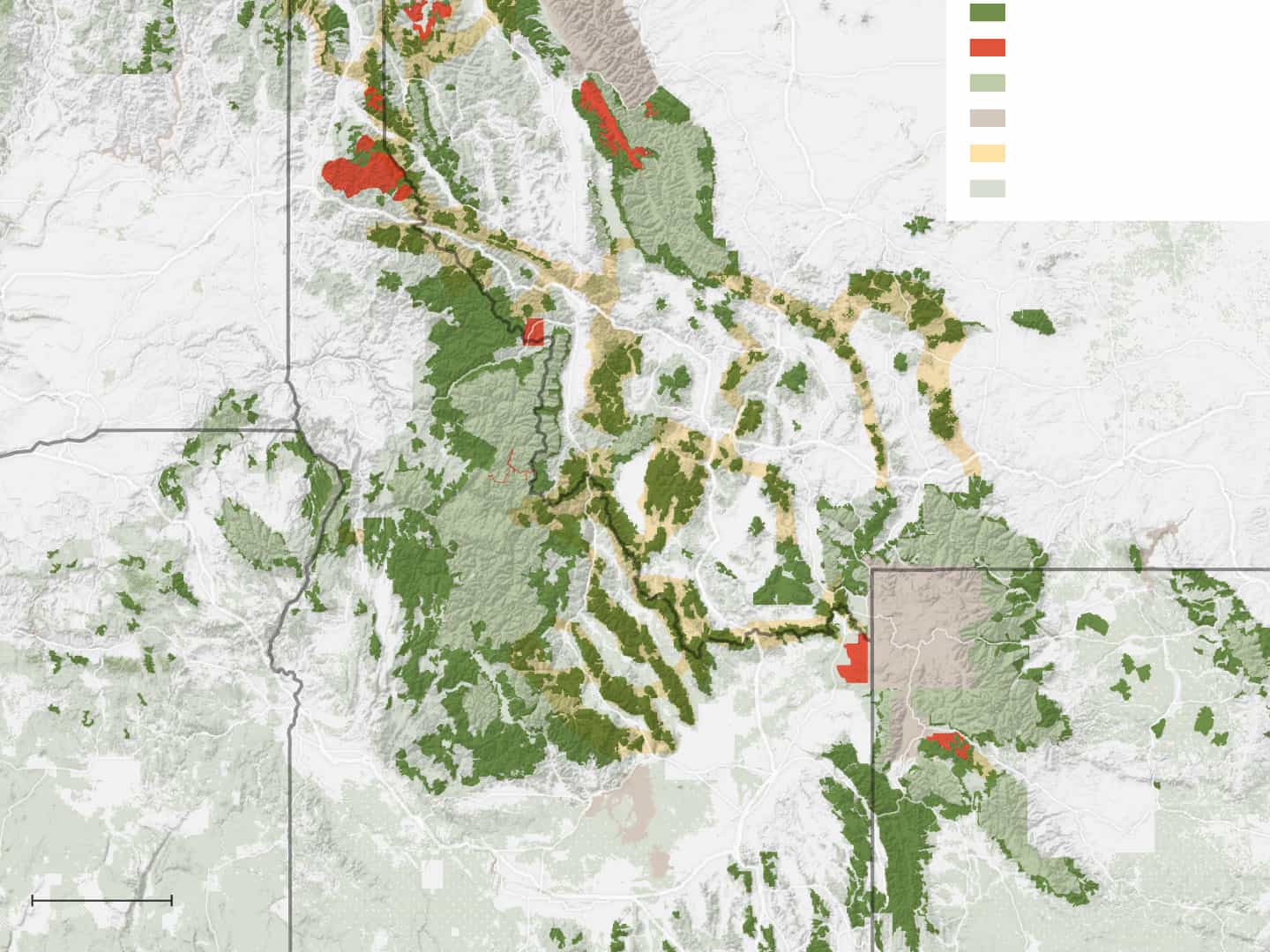
Apologies, I couldn’t get the color explanations to print out.  Dark green is new wilderness and orange “wilderness recovery areas.”

I looked this Act up on Wikipedia and it turns out that the same (?) bill seems to have been introduced in 2011 (and dates back to 1993?) by the same folks with testimony by Carole King starting in 1994. Nevertheless, we are assured the New York Times writers, Mike Garrity of Alliance for the Wild Rockies and Carole King, of singing fame, of this op-ed that it’s particularly important to do it now because:

To be fair, the Obama administration also pursued some of those actions. But the current administration’s zealotry threatens the region’s wild landscape and rich biodiversity…

Of course, when the Times writes about the interior West, we can assume that we are dealing with the imperial gaze. There are a couple of interesting points I’d like to draw out, but would like to hear from people who know more about the bill and about the history (and the other Rocky Mountain Front Wilderness additions and how they fit together), and to link to our recent discussions, what are “Wilderness Recovery Areas?”

Big Gulps Mean Big Targets.  There is a reason that the FS and partners aren’t usually thrilled about “big gulp” projects or “landscape scale restoration via large projects”.  They mean big total numbers that can be used in media campaigns, and attract big attention from folks who are of a litigious bent.

In August, a three-judge panel of the United States Court of Appeals for the Ninth Circuit voted unanimously to halt a planned 125-square-mile logging and burning project in the Payette National Forest in western Idaho. The court concluded that parts of the project ran counter to the forest’s management plan.

Under that project, so many trees would have been cut that the forest would have no longer provided elk or deer with the cover they need. Forest streams would have been filled with sediment from bulldozers building miles of new logging roads — further damaging the native fisheries for which the Northern Rockies are internationally famous.

Without looking at the EIS, I think “the forest no longer providing elk and deer the cover they need” is probably an overstatement.

Forest streams “full of sediment”? Doesn’t the State of Idaho have water quality requirements? Yes, they do, in fact they have audits and a continuous improvement program. I did not get the “full of sediment” feeling from reading the 2016 audit found here.

All Roadless to Wilderness
Under the 2001 Rule, the only things you would be kicking out to change to Wilderness are pre-existing oil and gas leases (before 2001 RR or possibly gap when 2001 RR was enjoined), OHV’s and bikes. But that’s based on reading the Maloney summary linked in the op-ed here and not the whole bill.

  • Designate all of the inventoried roadless areas in the Northern Rockies as wilderness, protecting 23 million acres of land that is home to vital ecosystems and watersheds

  • Establish a system to connect biological corridors, ensuring the continued existence of native plants and animals

  • Keep water available for ranchers and farmers downstream until later in the season when it is most needed

  • Allow for historic uses such as hunting, fishing and firewood gathering

  • Protect forest canopies that absorb greenhouse gases

I don’t know many folks who gather firewood in wilderness, nor in roadless areas… because they gather firewood near roads to get it home.

Et tu Wikipedia?
The entry in Wikipedia says under Opposition to the Legislation here:

Opponents to the NREPA state that there will be a loss of extraction jobs in the northern Rockies; mining, logging, and oil/gas production as a whole account for many of the jobs in the five affected states. [5

But if they’re already Roadless, then how much mining, oil and gas, and logging is going on? This is all very confusing. It would be great if every Wilderness bill or RWA or any special designation, for that matter, would simply have a table of “what’s currently allowed in terms of plans/rules/designations currently” “what will not be allowed under the new designation” “what existing users (actually on site, not potential) will not be allowed to continue their uses” and “what do we know about where those people will go.” IMHO,so much drama and needless carbon -impacting electrons could be saved by a standard Change Of Use Table for every potential change in designations!It also directly would acknowledge that the kicked out folks will go somewhere else and perhaps introduce opportunities and resources for helping them transition as part of the designation process.

Mining by the Ouachita National Recreation Trail

I found three things interesting about this situation.  Legally, I think there is a problem if the environmental analysis for a mine fails to say anything about the proximity to or the effects on a national trail and its users.

Bo Lea, president of FoOT, told The Sentinel-Record Jan. 15 that the Ouachita National Recreation Trail is a 223.5-mile premiere hiking and biking trail, and FoOT’s concern was that project’s environmental assessment made “no mention of the Ouachita Trail except for one map that shows a 150-foot buffer between the trail and the mining area. That’s only 50 yards.”

The Forest seems to be assuming that the buffer will fully mitigate any effects, but that has to be disclosed and supported by some analysis.

Politically, this area is in the Congressional district of Bruce Westerman, who has become renowned for proposing anti-environmental riders to Forest Service legislation.  At least he is consistent:

“I’ve long supported sustainable mining in the 4th District, provided it benefits local communities and stewards natural resources well,” Westerman said Tuesday in an email. “I look forward to the results of the Quartz Mine’s environmental review, and hope to see it progress in the upcoming year.”

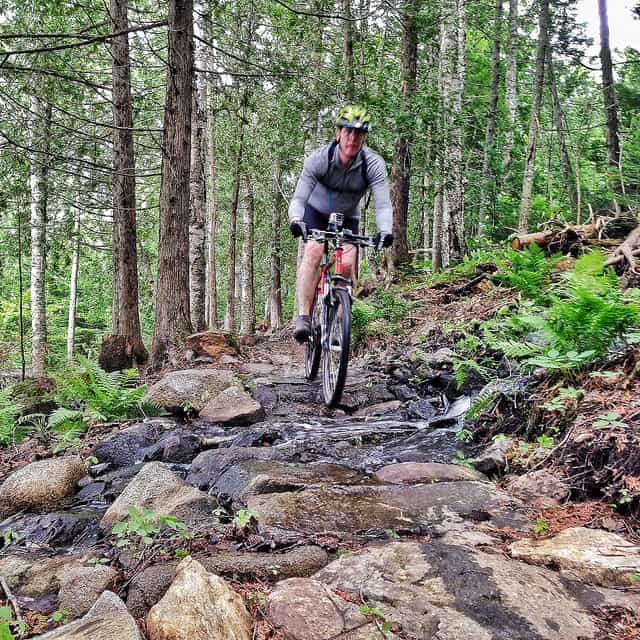
Lastly, this is an area that is promoted for mountain bike use by the Forest Service and organizations that appear to support both hiking and biking.  It’s an “epic” biking trail, and it doesn’t go through any wilderness areas.

BiPartisan LWCF Effort Expected in January/More Congressional Land Allocation Decisions

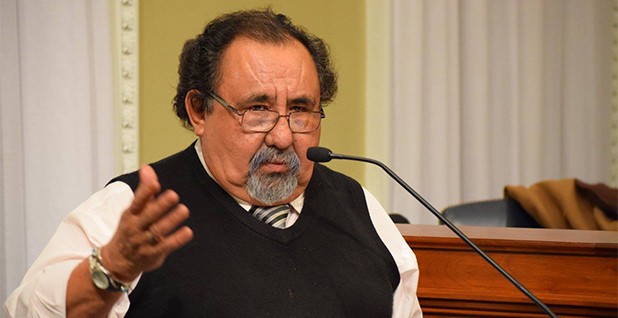
Rep. Raúl Grijalva (D-Ariz.), likely or soon to be (?) chairman of the House Natural Resources Committee, is promising to make a pending public lands package a priority. Natural Resources Committee

Here’s a Colorado-centric take on this from the Grand Junction Sentinel, from an interview with Senator Gardner. What I think is interesting is the pay grade of the folks making the land allocation decisions (Congressfolk) and yet it has still taken 10 years for 61K acres. The San Juan Plan Revision (2013) also took a long time but covers everything. Allocation- not easy work. If anyone has a synopsis of the provisions of the current bill, please send to me or post a link in the comments.

However, Gardner said another bipartisan agreement was reached for the fund to be one of the first bills the Senate takes up in January.

“So that is very good news for public lands in Colorado, very good news for a number of bills for Colorado and very good news for the Land and Water Conservation Fund,” he said.

Gardner said the January legislation will include a number of public-land provisions of importance to Colorado, addressing wildfire, water supply and sportsman issues and adding forest and national monument acreage.

As considered this week, the public-lands package didn’t include the San Juan Mountains Wilderness Act, a decade-old proposal currently being pursued by U.S. Sen. Michael Bennet, D-Colo. It would protect about 61,000 acres in southwest Colorado through a mix of wilderness designation and other land management actions.

It was left out of this week’s package due to a lack of bipartisan backing.

Gardner isn’t a sponsor of the San Juan bill at this point.

Said Gardner, “I support moving the bill forward. There’s some issues that I hope can be resolved. I hope that this bill can pass and receive support from our colleagues.”

He said some concerns surrounding water that were raised about the measure have been addressed.

“There are one or two others (issues) that need to be worked out but I’m confident they will be,” he said.

U.S. Rep. Scott Tipton, R-Colo., continues to have some concerns about the San Juan bill.

“There is still not local consensus on the San Juan Mountain Wilderness Act,” said his spokesperson, Kelsey Mix. “Congressman Tipton is open to meeting with Senator Bennet to discuss how this bill could be improved.”

There’s also a story on LWCF status in the E&E news here but don’t know how much can be seen behind the paywall.

********************************************

Update: Thanks to Kitty Benzar, here is a copy of the last bill.  We can do searches on it, but still have no overall description and analysis.  I got lost in the local land exchanges. I guess by Omnibus, they really mean Omnibus.

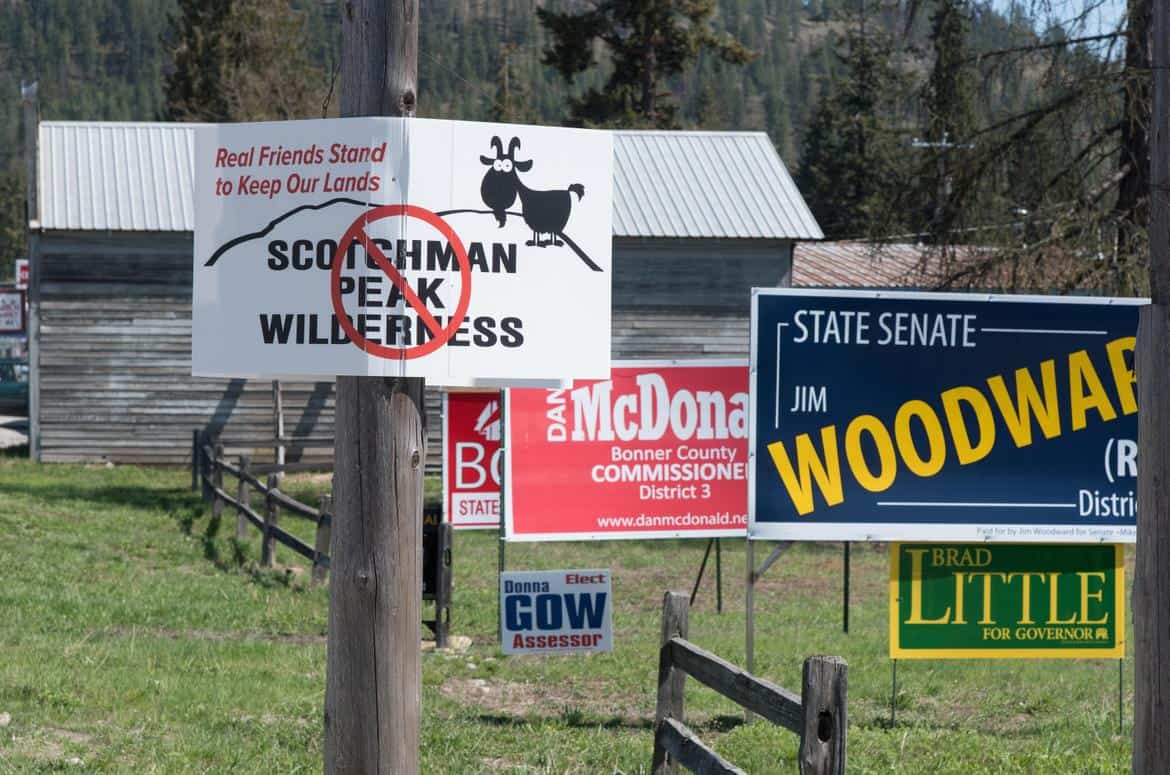
Idaho county votes down wilderness

Follow-up:                                   

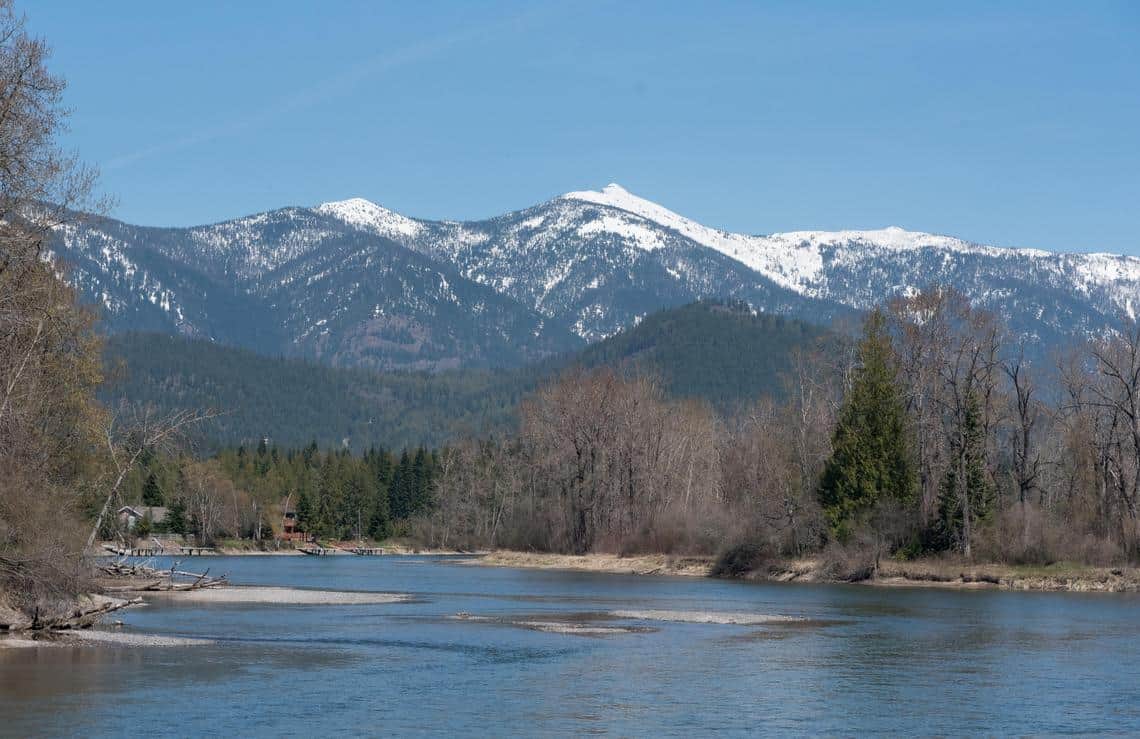
Voters rejected the proposal for the Scotchman Peaks Wilderness, 5,672 to 4,831.  As a result, Senator Risch will not reintroduce his legislation to designate the area, and wilderness legislation has no chance of passing without local Congressional support.  So to a limited degree we have local control of a national forest, but as the article points out, management under the forest plan, which recommends the area as wilderness, won’t change.  (The article suggests that Congress couldn’t change the forest plan; of course it could, but I don’t think there is a precedent for it.)

The unfortunate thing is that the voters seem to have been misinformed (which is something I would hope a congressman would take into account).

“The philosophy with wilderness areas is let it burn,” said Bonner County Commissioner Dan McDonald.

And, perhaps most importantly, (Forest Service spokesperson) Cooper said Forest Service personnel can and do manage forest fires in both recommended and designated wilderness areas. “We still do manage wildfire,” she said.  In 2017, the Forest Service sent smokejumpers into the Salmo-Priest Wilderness area to fight a forest fire.

My own interpretation is that suppression response depends on the values at risk, and wilderness area values, aren’t lost when they burn (in fact probably the opposite) – like other areas managed primarily for conservation or recreation, which is how this area is being managed now. 

Voting for/against Wilderness

Seriously.  Bonner County, Idaho is holding an advisory vote on whether its residents want the Scotchman Peaks area to be designated as Wilderness.  Sen. Jim Risch, R-Idaho, has indicated he will follow the advisory vote result.

One one hand, this is a good way to get information about policy preferences that opinion polls and candidate elections may not.  But really, how much weight should one county’s vote carry in making decisions about national forests?

Here’s a detailed fact-check developed to help voters.  Importantly, this area has been recommended for Wilderness in the Idaho Panhandle and Kootenai revised forest plans.  Watch for the results of the referendum on the May 15 primary ballot.

Montanans like their Wilderness Study Areas

But their elected representatives don’t.

The results of a new poll show that a majority — 57 percent — of Montanans wanted WSAs to continue to be protected, and another 24 percent said they wanted a more case-by-case review of how the areas should be used.

Sen. Steve Daines and Rep. Greg Gianforte, both Republicans, have introduced bills in Congress to open up areas now protected as WSAs.

The University of Montana’s Crown of the Continent and Greater Yellowstone Initiative commissioned the poll of 500 Montana voters and hired both Republican and Democratic firms to conduct the survey. It found that only 11 percent of those polled favored Gianforte’s proposal to eliminate protections for 29 WSAs.

“They were opting for something other than what’s proposed in Congress,” said pollster Lori Weigel, who led the Republican half of the bipartisan polling team.

Daines and Gianforte discounted the poll, noting they had the support of local county commissions for their legislation.

Obviously the county commissions did not get this support from their constituents, and they have been accused of selective listening.

Daines’ staff challenged the validity of the poll.

David Parker, a Montana State University political science professor, said after reviewing the survey questions, “I object to the notion it’s a push poll. It’s pretty innocuous the way it’s worded.”

Parker said the UM poll appeared consistent with other regional surveys showing strong bipartisan support for public land protection.

I guess this is what happens when a popular issue is not a high priority for voters.  You look the other way on the environment and vote for someone who’ll give you your tax cut.

Here’s a summary of some of the other findings of the survey – including:

When asked by the pollsters if they would support or oppose dedicating additional, existing public lands as wilderness areas in Montana, 57 percent expressed support and 35 percent said they would be opposed.

Federal lands, “Utah-style”

Three Republicans running for election this year discussed weakening the Antiquities Act and Endangered Species Act, dropping the filibuster rule in the U.S. Senate and rewriting federal public lands policy to require state approval of new regulations.

“It’s not that lawmakers in the East — and for me that’s everything east of Denver — it’s not that they’re evil, they’re just stupid,” he (Bishop) said, drawing chuckles from some in the audience. “When we talk about public lands to Easterners, they just don’t have the same concept. They think everything is Yellowstone.”

I would say they might think everything “should be” Yellowstone, and who’s to say they are wrong.  It’s their land too.  Maybe Bishop is the one who is stupid.

“”It’s going to take an educational effort, not just a political effort” to push back against what he called radical environmental groups, he (Romney) added, referencing decisions such as Trump’s national monuments order, which has been challenged in court by Native American groups, environmental groups and others.  “There are some in the environmental lawsuit industry that may not care very much about the underlying facts,” he (Romney) said. “They’re just going to file lawsuit after lawsuit after lawsuit because that’s how they get paid.”

The underlying facts are what the lawsuits are based on.  And apparently “radical” means “willing to go to court.”

Separation of Powers in Action: The Cottonwood Fix

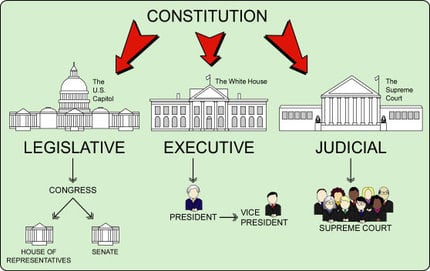
Indeed, the idea of separation of powers among judicial, legislative and executive branches in the US is intended to provide checks and balances. This one (the Cottonwood Fix) is a little hard to figure out unless you are familiar with the details of how ESA is carried out, that is, consulting and reconsulting on plans and projects. I used the description from an AFRC attorney in his Congressional testimony here. As always, others are free to post their own perspectives. Shorthand.. Circuits disagree, Executive branch asks Supremes, they decline and Congress fixes.

According to Fite, the fix was bipartisan

“It is no surprise that this common-sense legislation has attracted the support of lawmakers from both parties, from state and local governments, and prominent environmental groups including Trout Unlimited and the National Wildlife Federation. AFRC offers the strongest possible support, as do many industry groups including Intermountain Forestry Association, Montana Wood Products Association, California Forestry Association, and Federal Forest Resource Coalition.
In brief, S. 605 will allow projects to move forward under existing forest plans if an appropriate plan-level ESA consultation is completed. It will eliminate any requirement for the Forest Service or Bureau of Land Management to reinitiate consultation due to new ESA listings or critical habitat at the plan level—and only at the plan level. The bill does not change existing law regarding applicable requirements to consult on individual projects, new forest plans or plan
revisions. The Ninth Circuit requires consultation on new plans, while the Tenth Circuit does not. S. 605 leaves this circuit split in place.

….

The Obama Administration, including Secretary Vilsack, asked the Supreme Court to review Cottonwood in 2016, but was denied. That fall, the Forest Service began the arduous process of consulting on 11 National Forests and more than 35,000 square miles of lynx habitat. This July, the Forest Service completed its biological assessment—the first piece of the consultation process. It is unclear when a biological opinion will be complete at the plan level. Then, project-level analyses will have to be reviewed against the plan-level opinion. This process will not be completed in 2017 and will likely stretch well into the 2018 forest management operating season. Of course, each step will be subject to multiplying lawsuits and injunctions.

Since nearly every forestry project already undergoes ESA consultation, this plan-level exercise has no real conservation benefit. A plan-level analysis generally assesses an amount of specieswide impact that is sustainable. Projects can proceed as long as their impacts fall within the plan-level approved impacts. When a project is evaluated without plan-level clearance, there is no such buffer for the agency to rely on. Therefore, ESA consultation at the project-specific
level is likely to be more conservative.

S. 605 simply and directly fixes Cottonwood. It provides that re-initiation of plan-level consultation is not required due to a new species listing or critical habitat designation. It does not affect any applicable requirement to consult on a new plan or a significant plan revision. The bill applies to both the Forest Service and the BLM, which each manage significant forestlands.

Info Request: Language/Analysis of Omnibus Appropriations Bill

Steve started with this post. I’m sure that somewhere, someone, in fact many people are paid by their employer to follow this and write an assessment for their members. This thread would be a good spot to collect them, and we can look at a variety of perspectives and discuss them.

Please post links to the relevant language (not the whole bill) and any analysis thereof. If you have a document, email me and I will upload it. Thanks to all!