Cindy Chojnacky Publishes Novel: Return to the Wilds

Do you or a young teen in your circle need a hopeful reminder of why we go to wild places and fight over their care? Or a gentle warning about the dark side of the human project to civilize the whole world?

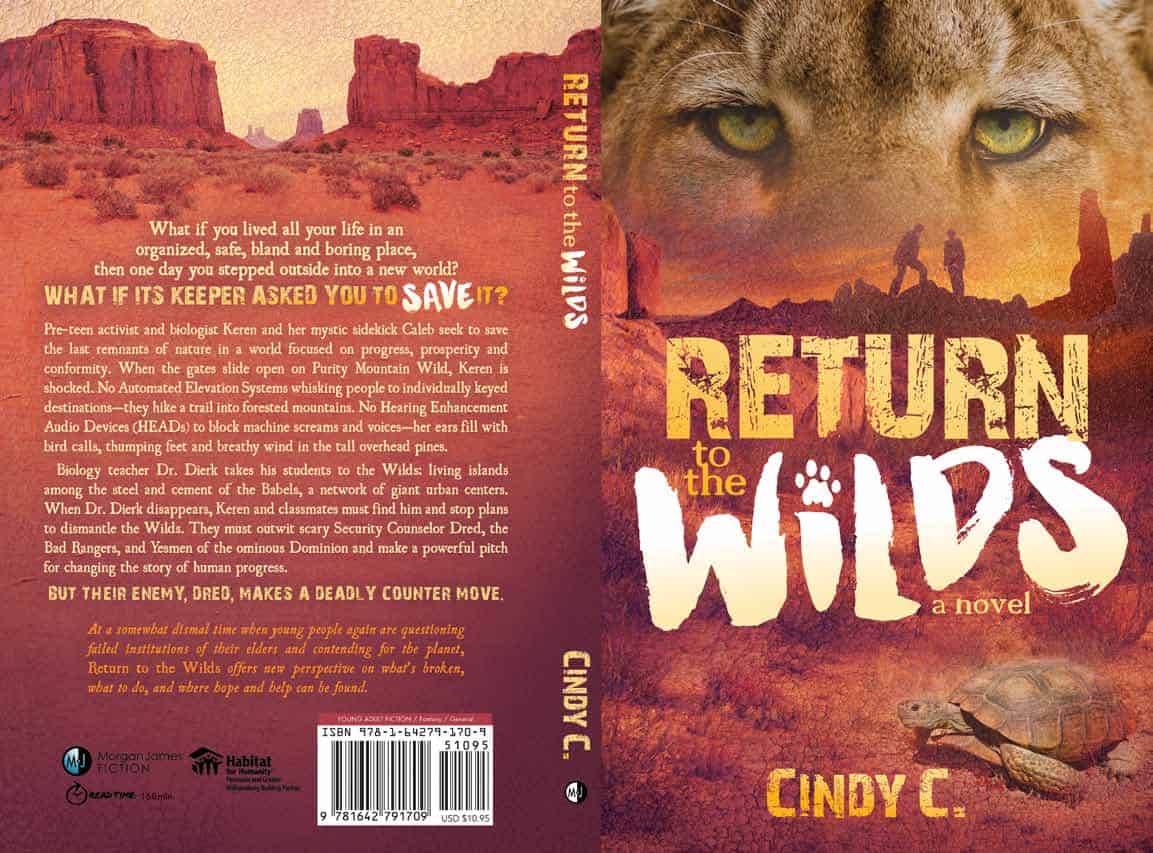
Our own Cindy C. Chojnacky (Forest Service retiree and contributor to The Smokey Wire) has just published a novel under the moniker “CindyC,” Return to the Wilds, on impact of wild places with a bit of satire on various forces that threaten them. Bright young students are charged to save the planet, commune with wildlings and ethereal beings and face down dark forces of opposition. The book is pitched as a youth novel but Cindy says friends in her age group—especially those who have worked for government—have enjoyed it too, especially satirical aspects.

If fiction and fantasy are not your forte, you may still think (as I do) that Cindy has done an amazing and difficult thing.  Congratulations, CindyC!

Her description:
Two youths from a sprawling Southwestern metropolis, Babel II, are called to lead a daring conspiracy to rescue the Wilds—parks, reserves, wilderness areas worldwide that are the only undeveloped islands in an increasingly urbanized world. Guided by a mysterious Keeper and helped by Wildlings, the pair and friends use wit and geek skills to outwit Minions of the ominous Dominion, and make a powerful pitch for a change in
the story of human progress.

And here are sample reviews:

.“This strange and wonderful novel seems to follow imaginary threads from where we are today to reach the place created in the book. For me, it evokes bits of the worlds of Narnia and the Hunger Games, with a little Jetsons imagery thrown in….”— children and youth librarian, Sun Valley, Idaho.

“Part Madeline L’Engle, part C.S. Lewis, all adventure and spiritual awakening, Return to the Wilds offers a rip-roaring dystopian-toppling spiritual adventure. A must read for tweens and anyone needing a spiritual uplift in bleak times…”—H.G. McKinnis, author of A Justified Bitch mystery novel.

Return to the Wilds made its e-book debut January 1, 2019 and will emerge as a paperback April 23, 2019—the day after Earth Day. It’s available now at these online retailers:
Amazon

Barnes & Noble

Books-A-Million

Powells

Chapters Indigo

Indie Bound

Again, congratulations, Cindy!
Places Worth Protecting

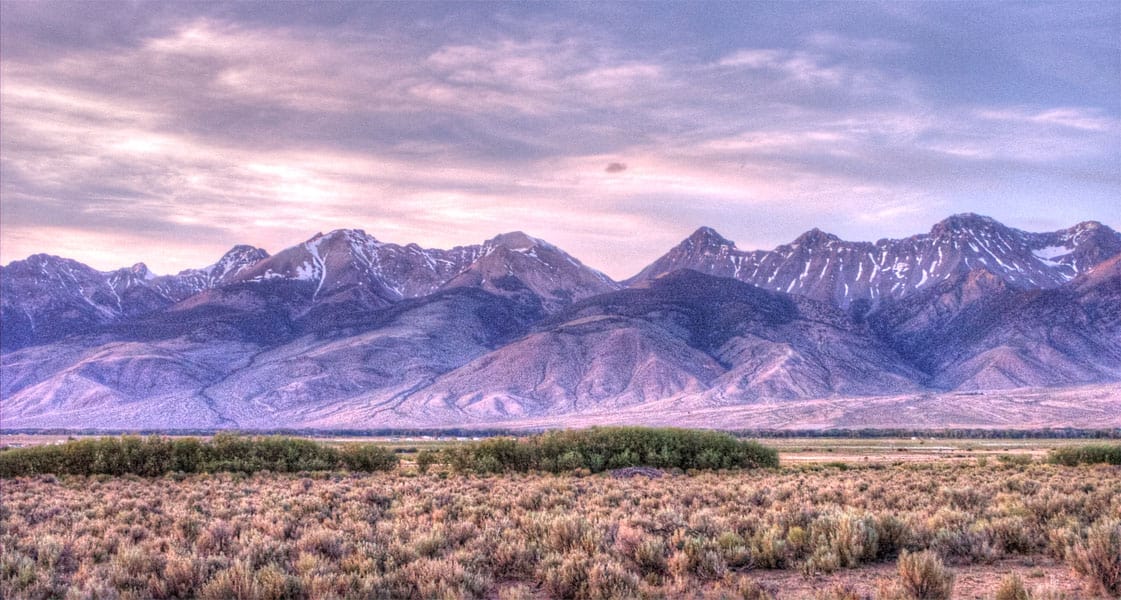
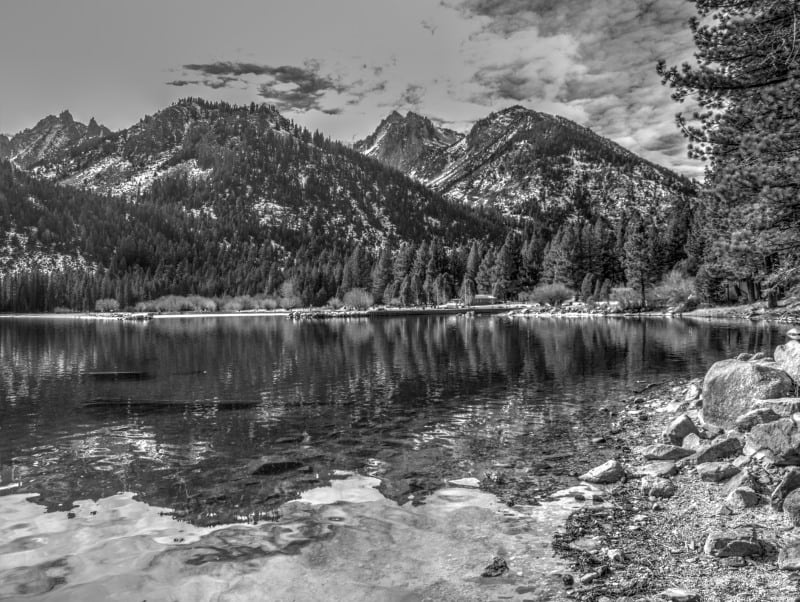
Twin Lakes, near Bridgeport, California, hasn’t been intensely developed, solely because of its remote location. There are clusters of private cabins. The terrain would make for an outrageous ski area but, it is too far out of the way to be successful. So, the best use of this land is to preserve it.

p9252095_tonemapped-web

My Instagram: www.instagram.com/larryharrellfotoware/

Dixie National Forest, Southwest Utah

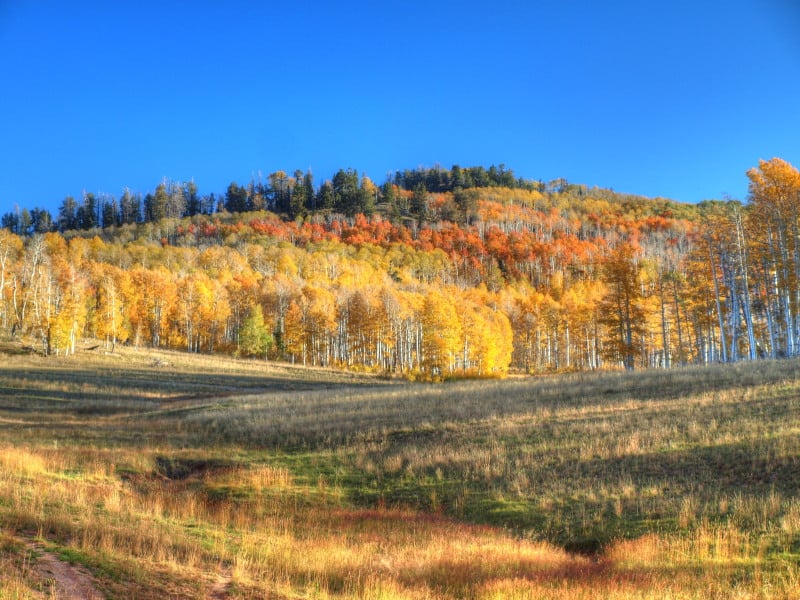
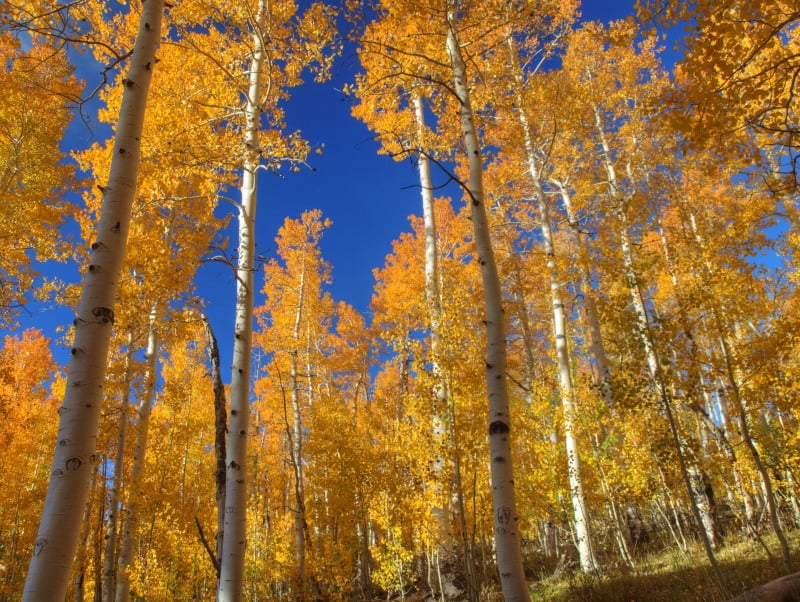
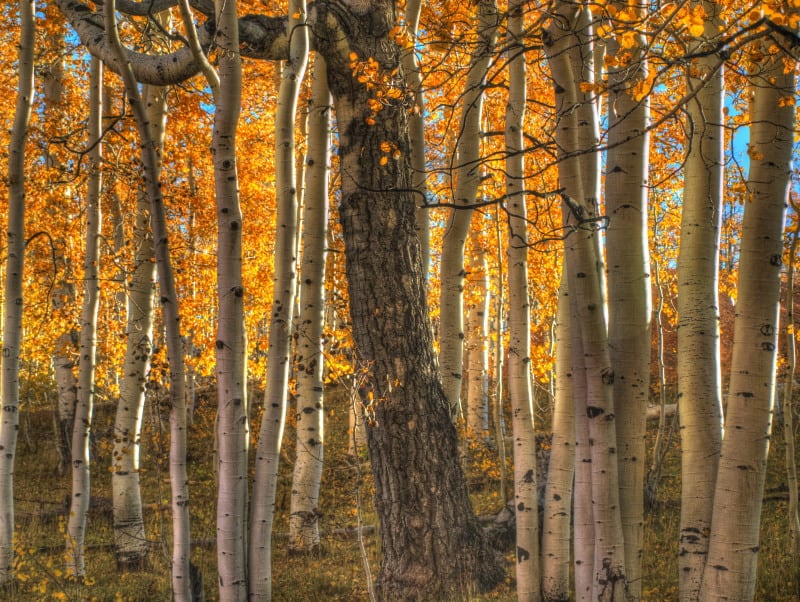
Several years ago, I rolled into Cedar City after a long drive from California. Apparently, there were no rooms available, due to a Shakespeare Festival. So, I decided to drive up towards Cedar Breaks National Monument and Dixie National Forest, in the dark. I took a well-used gravel road and found some open space, under a bright moon. I didn’t sleep very well but, I woke up to these many hundreds of acres of golden and orangish aspen stands. The morning light’s “Golden Hour” was fully in force. Now, don’t think that the Dixie is uniform or monoculture. The diversity here is tremendous, often with rainshadows and geologic differences happening within only miles of each other.

P9066575_tonemapped-web

I wandered around a bit, greedily snagging all the colorful views, until I saw other campers starting to rise. I almost forgot that it was hunting season! Be careful, out there in the woods.

P9066557_tonemapped-web

Service Contract Re-visited

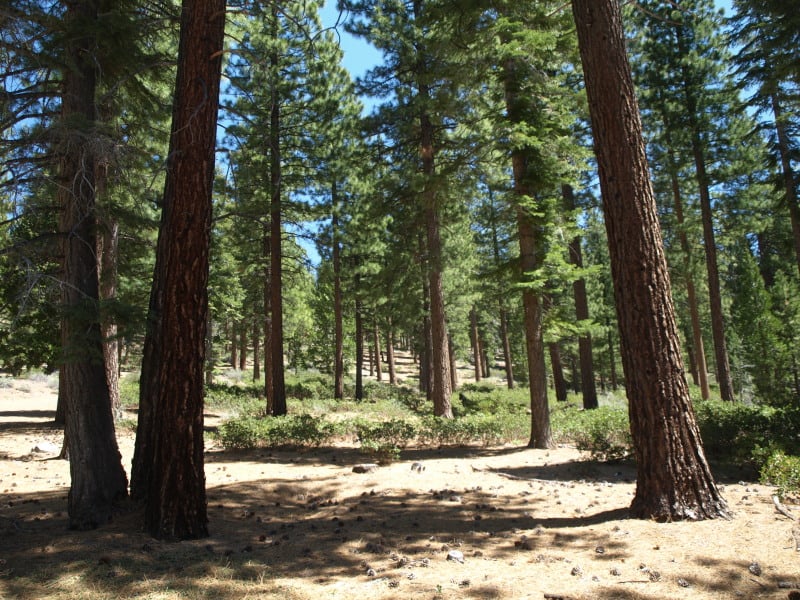
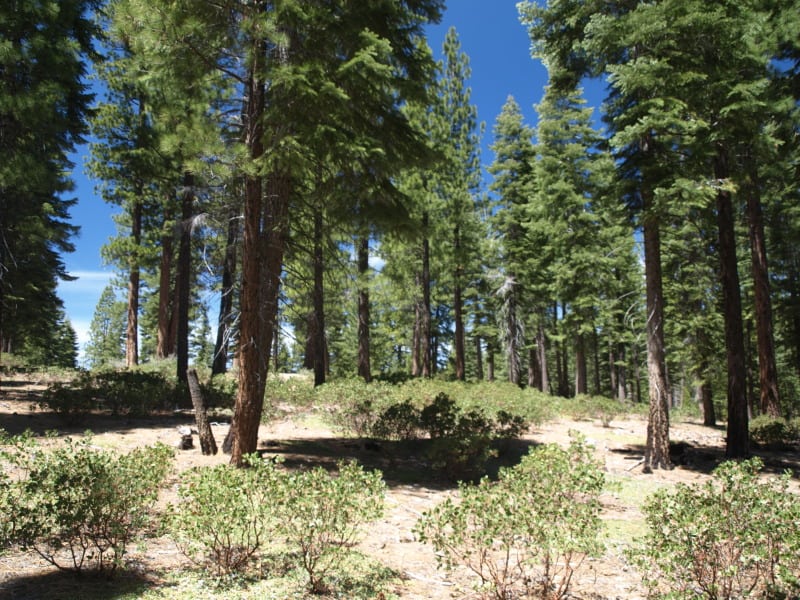
In my last adventure, I decided to pass through an area of the Tahoe National Forest, where I worked in 1996 and 1997. During that time, I worked on fire salvage, blowdown salvage, insect salvage and roadside hazard tree projects. There was also this Service Contract, which reduced fuels without cutting trees over 9.9″ dbh. The logger had three varied types of cutting machines, each of them with their strengths and limitations. He was a crusty old guy, who didn’t like the Federal “oversight” of his work.

P9306380-web

I usually liked to change these loggers’ perception of what inspectors do. He wasn’t used to getting “written up” for doing good work but, he was still quite wary of me. I once caught him damaging the bark of a leave tree with his machine, then getting off it, and applying some dirt to the wound (to hide it). As he was getting back to his seat, he saw me. I gave him the “naughty, naughty” hand signal, and walked over there. I waited to see how he would react to getting caught. Surprisingly, he kind of hung his head, and was quiet, for once. So, I told him that there is an acceptable level of “damage” in this kind of work and he wasn’t anywhere near close to it, yet. I think our relationship changed, a little, after that agreement.

P9306391-web

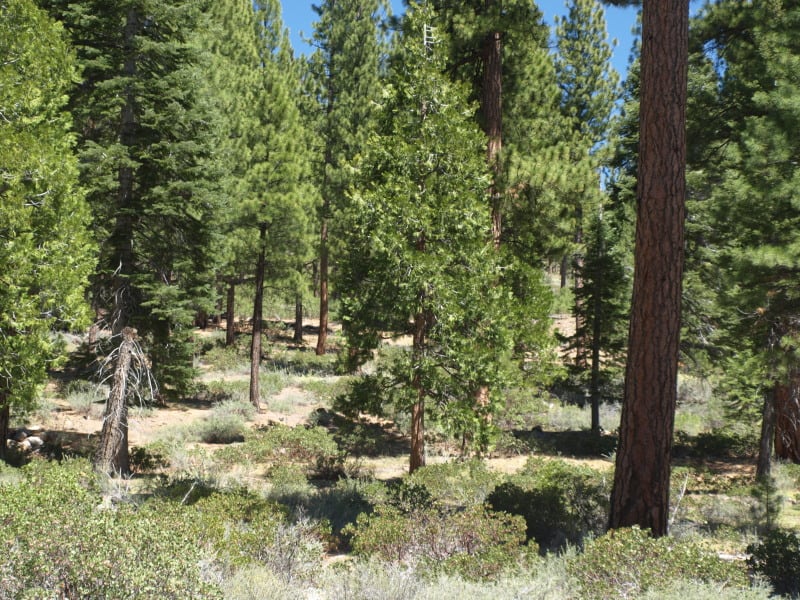
One of the keys to success was the ability to do a cool prescribed burn. All too often, fuels are still too thick and the burn is a bit hotter than the residual trees can stand. In this case, the firefighters did well in achieving a nice, cool and effective burn. On the west-facing slopes, the brush has grown back, somewhat. That is to be expected, and will continue, until it is shaded out.

P9306396-web

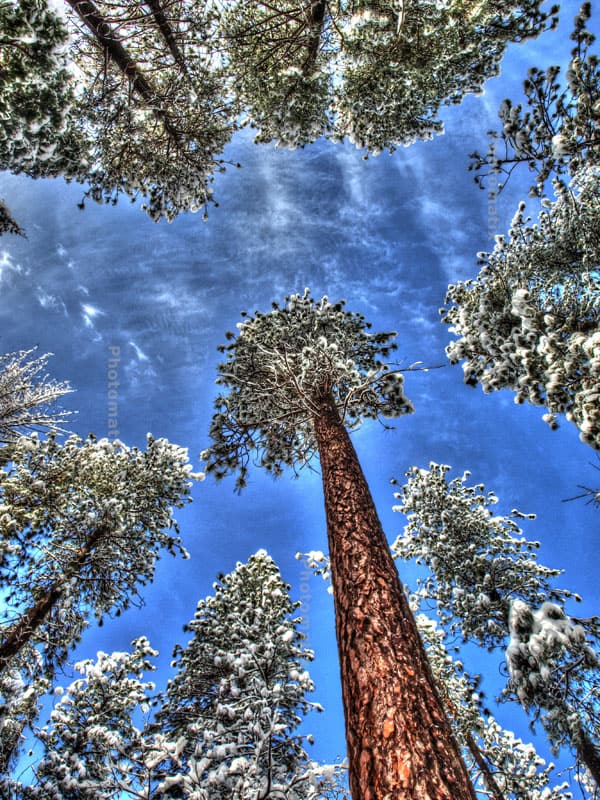
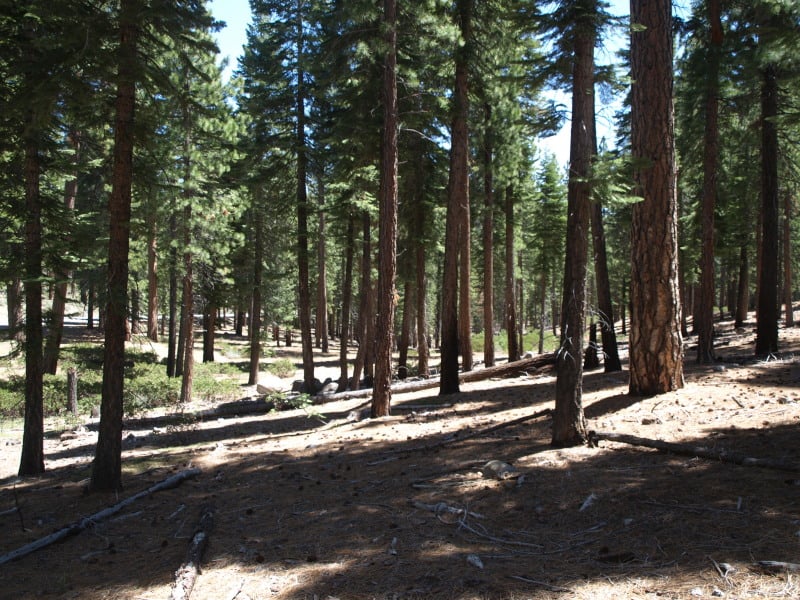
As far as resilience to fire and drought, it is pretty clear that the spacing is very good. The brush looks like it can be burned safely, on a regular basis. The pines also seem to be quite healthy and vigorous. Keep in mind, this area along Highway 89, in the eastside pine zone, is in a rainshadow east of the Sierra Nevada Crest. There are some western junipers up on the ridgetop, and the Nevada desert is 15 miles away.

P9306381-web

Merry Packers of Yesteryear

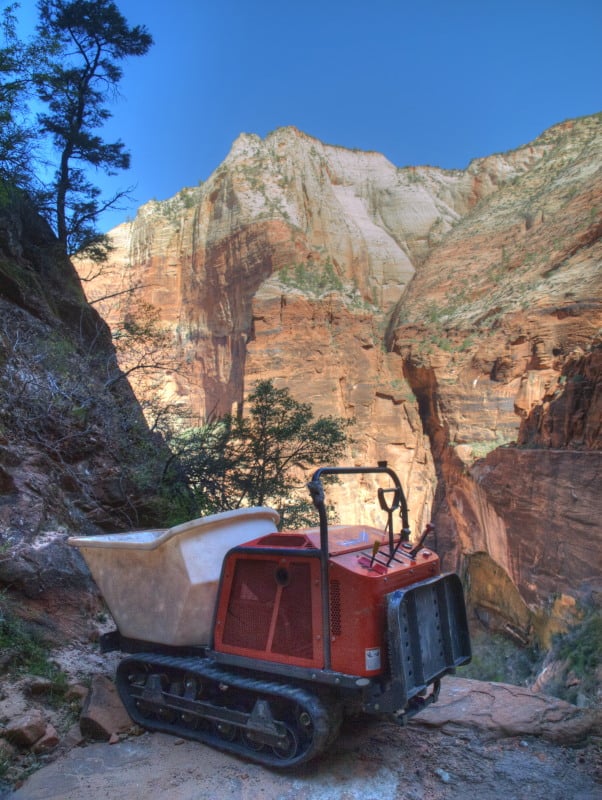
A good friend who worked in the Forest Service before the 1964 Wilderness Act asked me if I had heard of a Merry Packer. I had not heard of them. He then described this motorized contraption that ferried equipment up trails in remote areas. The full picture is here.

My friend Tom commented about their use:

“Look!”
I looked. It was hard not to. We had just broke camp and started down the trail when the morning fog boiling up out of the canyon burst a hole a couple of miles away across the gorge, and in that hole, perfectly framed in corpuscular rays, sparkled a waterfall. It was quite a sight… and possibly my last!
 
Landers stumbled on a raised root in the trail just as he pointed with his right hand at the waterfall. His left hand on the throttle squeezed involuntarily as he struggled for balance. The little engine revved, kicking the mechanical mule in the ass just as we came out of a switchback. We came WAY out. I was up front, leaning back on the handles, supposedly steering, hopping and tiptoeing over rocks and roots, my feet on the ground only now and then.
 
We were having way too much fun again with this thing, and, way out here in the Douglas fir forests of the Wind River District above the Columbia River Gorge, no one was looking….and we were getting paid, too! Without having to carry gear, we moved fast, almost effortlessly, and we cleared a lot of trail……until Landers spotted that waterfall. I was lifted in the air about two feet before going over the edge, followed by all of our stuff – chainsaws, axes, sleeping bags, raingear, food, canteens and mosquito nets. Only a sleeping bag landed on me as I tumbled. Thank God that machine missed me. Landers fell on his face in the trail, laughing.
 
 The adults in the Forest Service had declared us the Trail Crew, showed us how to start this thing, then sent us into the wilds. Its called a Merry Packer. They’re like those deer carriers, but motorized. Are they still around?”

I hadn’t seen one in all my years in the Forest Service. I’m sure they were used a lot, in trail construction, before the restrictions on “motorized use”. On a recent trip to Zion, I saw, maybe, its replacement, in this more modern world. I’m sure that they had to fly this machine up to this strategic spot on the East Rim Trail.

P9034648_tonemapped-web